Anguilla
Flag of Anguilla
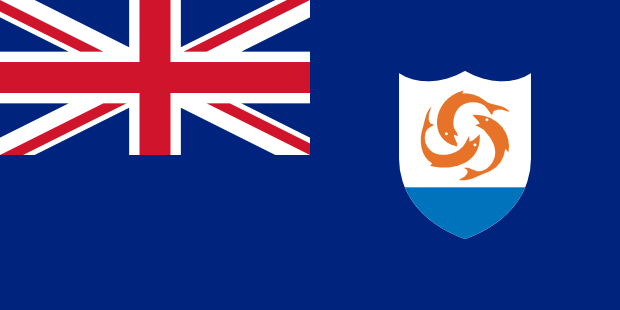
Flag is available in resolutions
| Icon 88x44 |  |
| Icon 32x16 |  |
Anguilla
Here is a comprehensive article about Anguilla, approximately 5000 characters long, written in English as requested, with Czech quotation marks and specific formatting instructions.
Anguilla: The Culinary Gem and Tranquil Escape of the Caribbean
Anguilla, a British Overseas Territory nestled in the northeastern Caribbean Sea, is a jewel of unparalleled tranquility and exquisite natural beauty. Often overshadowed by its more boisterous neighbors, this slender island nation offers a distinctly different Caribbean experience, one characterized by pristine white-sand beaches, crystal-clear turquoise waters, and a sophisticated yet understated atmosphere. Its name, derived from the Spanish word for eel, aptly describes its long, narrow shape, stretching approximately 16 miles (26 km) in length and varying in width from just 3 to 6 miles (5 to 10 km). Composed of Anguilla proper and a scattering of smaller, uninhabited cays, the island is a haven for those seeking an escape from the ordinary, a place where time seems to slow and the focus shifts to the simple pleasures of life. The absence of large resorts and the emphasis on luxury villas and boutique hotels contribute to its exclusive and intimate feel. It is a destination that whispers rather than shouts, inviting visitors to discover its charms at their own pace.
The demographic tapestry of Anguilla is rich and diverse, a testament to its historical journey. The majority of Anguillans are of African descent, descendants of the enslaved Africans brought to the island during the colonial era to work on sugar plantations. This heritage is deeply woven into the cultural fabric, evident in the island’s music, cuisine, and vibrant festivals. A smaller but significant population consists of individuals of European and East Indian descent, contributing further layers to the island’s multicultural identity. The official language is English, though a local dialect, a melodic Creole, is widely spoken, adding to the island’s unique linguistic charm. Anguillan society prides itself on its politeness, warmth, and a strong sense of community. Despite the influx of tourism, the island has managed to preserve its authentic character and friendly disposition, making visitors feel not like tourists, but like welcomed guests. The population is relatively small, numbering around 15,000, which further enhances the sense of intimacy and personal connection that many experience on the island. Education and healthcare are priorities, with a well-established system that ensures a good quality of life for its residents.
Anguilla’s history is a compelling narrative of resilience and self-determination. Initially inhabited by the indigenous Arawak and Carib peoples, the island was subsequently claimed by Christopher Columbus in 1493, though it remained largely unsettled by Europeans for centuries. The English began to establish a presence in the mid-17th century, with permanent settlement commencing in 1650. The island’s early economy was primarily agrarian, centered around the cultivation of crops like tobacco and cotton, and later, sugar cane. However, the sandy soil and lack of fresh water proved challenging for large-scale plantation agriculture, leading to periods of economic hardship and emigration. Anguilla’s history is also marked by its complex relationship with neighboring St. Kitts and Nevis. For much of its colonial existence, Anguilla was administered as part of the larger colony, a relationship that often bred resentment due to perceived neglect and a lack of representation. This culminated in the Anguillian Revolution of 1967, a remarkable and largely bloodless uprising where the islanders declared their independence from St. Kitts. While the rebellion was eventually suppressed by British forces, it laid the groundwork for Anguilla’s eventual autonomy. In 1980, Anguilla was formally separated from St. Kitts and Nevis and established as a British Overseas Territory, granting it a significant degree of self-governance. This history of struggle and independence has instilled in Anguillans a strong sense of pride and a deep appreciation for their unique identity.
The geography of Anguilla is defined by its low-lying, flat terrain, composed primarily of limestone and coral. Unlike many of its volcanic Caribbean neighbors, Anguilla lacks significant elevation, with its highest point, Crocus Hill, reaching a modest 213 feet (65 meters). This geological makeup is responsible for the island’s breathtaking coastline, characterized by miles of powdery white sand beaches fringed by calm, impossibly blue waters. The island is surrounded by a coral reef system, which not only protects its shores from the full force of the Atlantic but also creates a vibrant underwater ecosystem teeming with marine life. This makes Anguilla a paradise for snorkeling and diving enthusiasts. The lack of significant freshwater sources is a notable geographical feature, necessitating reliance on desalination plants and rainwater harvesting. The climate is tropical marine, with warm temperatures year-round, moderated by refreshing trade winds. The dry season runs from January to April, offering consistently sunny days and lower humidity, while the wet season, from May to December, brings occasional rain showers, often in the form of brief, intense downpours, and a slightly higher risk of tropical storms. The island’s natural beauty extends beyond its beaches to include mangrove wetlands, salt ponds, and small, verdant hills, providing diverse habitats for various bird species and other wildlife.
The Anguillan economy is overwhelmingly driven by tourism, which has become its lifeblood since the latter half of the 20th century. The island has strategically positioned itself as a premier destination for luxury tourism, attracting discerning travelers who appreciate its exclusivity, pristine environment, and high-end amenities. The focus is on quality over quantity, with an emphasis on five-star resorts, private villas, and exceptional service. The culinary scene is a significant draw in itself, with Anguilla earning a reputation as the Culinary Capital of the Caribbean. World-class chefs and a plethora of restaurants, ranging from casual beachside eateries to fine-dining establishments, offer an incredible array of gastronomic experiences, often featuring fresh, locally sourced seafood. Beyond tourism, other economic activities include a small fishing industry and a growing financial services sector. However, these sectors play a much smaller role compared to the dominant tourism industry. The government actively invests in infrastructure to support tourism, including maintaining its airport, roads, and utilities. The island’s commitment to environmental preservation is also a key aspect of its economic strategy, recognizing that its natural beauty is its most valuable asset.
Anguilla’s tourist attractions are centered around its unparalleled natural beauty and its sophisticated, relaxed atmosphere. The beaches are, without question, the main draw. Shoal Bay East is consistently ranked among the world’s best, boasting soft, white sand and incredibly clear, calm waters perfect for swimming and sunbathing. Rendezvous Bay offers a long stretch of pristine sand with gentle waves, ideal for leisurely strolls and enjoying breathtaking sunsets. Meade’s Bay is another idyllic spot, known for its soft sand and the luxurious resorts that line its shores. For those seeking a more secluded experience, the numerous offshore cays, such as Sandy Island and Scilly Cay, offer Robinson Crusoe-esque charm with their untouched beaches and vibrant coral reefs, accessible by small boat trips. Beyond the beaches, Anguilla offers opportunities for water sports like snorkeling, diving, sailing, and kayaking. The underwater world is a kaleidoscope of color, with healthy coral reefs supporting a diverse array of fish, sea turtles, and other marine creatures. For a glimpse into the island’s history and culture, a visit to The Wallhouse museum in The Valley provides fascinating insights into Anguilla’s past. The capital, The Valley, while small, is the administrative and commercial heart of the island, offering charming shops, local markets, and a glimpse into everyday Anguillan life. The island also hosts vibrant cultural events, most notably the annual Moonsplash Music Festival, which celebrates reggae music, and the Anguilla Summer Festival, a lively celebration of Caribbean culture featuring parades, boat races, and musical performances. The island’s culinary scene is an attraction in itself, with renowned chefs and a diverse range of dining options that cater to every palate, from fresh seafood grills to sophisticated international cuisine. Anguilla is a destination that promises rejuvenation, indulgence, and an authentic Caribbean experience, far removed from the hustle and bustle of modern life.
Information about Anguilla
The information comes from the publication CIA The World Factbook.
Automated text translation, excuse errors, please!
Country Anguilla is situated in a location / continent Central America. Anguilla has an area of 91 km2 and 15 423 residents. The highest point has a height 65 above sea level. and it is called Crocus Hill. The lowest point is located at the level of 0 above sea level and it is named Caribbean Sea. The capital city is The Valley. Anguilla has the international abbreviation AV.
Anguilla - economy
Total gross domestic product (GDP) is 175 400 000 $. Total gross domestic product per capita in purchasing power parity is 12 200 $. GDP grows by -8.50 % a year. Inflation (consumer price index) is equal to 2.80 % a year. Anguilla have 6 049 working-age population (from a total population 15 423 people). Unemployment is at 8.00 %. The total amount of foreign debt is 8 800 000 USD.
Anguilla - demography
As suggested above, Anguilla has 15 423 people. Population growth is in the amount 2.15 % per year. Number of children born per 1000 population per year is 12.90.Every mother has average 1.75 children. The infant mortality rate is 3.44 .Average estimated life expectancy makes 80.98 years. Mortality is 4.41 people per 1000 population per year.
Anguilla - transport and telecommunications
Anguilla has 175 km of roads and 3 airports.
Number of active mobile phones (sim card) in the country Anguilla is 26 000. Number of active fixed telephone lines is 6 200. Anguilla has 3 700 internet users, who have the available 283 Internet connections. Anguilla has been assigned a domain first Choose range .ai.
Anguilla - energetics
.
Keywords: energetics, economy, Flag of Anguilla, list of flags, Flags of countries, transport, world countries, national flags, list of countries, Anguilla, flag states, flags of countries in the world, demography, flag, telecommunications, all flags, information, politic.