Curacao
Flag of Curacao
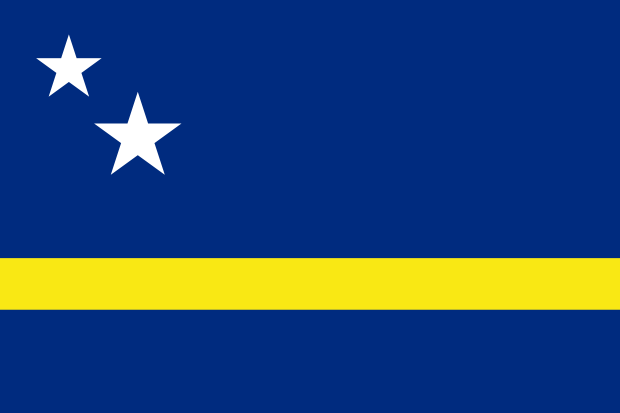
Flag is available in resolutions
| Icon 88x59 |  |
| Icon 32x21 |  |
Curacao
Here is an article about Curaçao, approximately 5000 characters long, written in English, using Czech quotation marks „“, apostrophes ’, and bold text with `` tags, without ` ` tags or `` tags.
Curaçao: A Caribbean Gem of Rich History and Vibrant Culture
Curaçao, a jewel nestled in the southern Caribbean Sea, is an island nation that captivates visitors with its kaleidoscope of cultures, stunning natural beauty, and a history as rich and layered as its iconic colonial architecture. As the largest island in the Dutch Caribbean, it boasts a distinctive personality shaped by centuries of trade, migration, and adaptation. Its strategic location, just off the coast of Venezuela, has historically made it a coveted territory, influencing its development and the diverse tapestry of its people. The island’s official name, “Land of Curaçao,” reflects its status as a constituent country within the Kingdom of the Netherlands, a relationship that has endured for centuries and continues to shape its governance and cultural landscape. From the bustling capital of Willemstad, a UNESCO World Heritage site, to its pristine beaches and dramatic coastlines, Curaçao offers a multifaceted experience that appeals to a wide range of travelers, from history buffs and culture enthusiasts to sun-seekers and diving aficionados. The island’s identity is deeply rooted in its past, yet it embraces a forward-looking spirit, making it a truly unique destination.
The history of Curaçao is a compelling narrative of exploration, colonization, and resilience. First inhabited by the indigenous Caiquetio people, the island was discovered by Europeans in the late 15th century, with Spanish explorer Alonso de Ojeda credited with its European charting in 1499. The Spanish, however, found little immediate economic value in Curaçao, and it remained largely uninhabited until the Dutch West India Company took control in 1634. Under Dutch rule, Curaçao transformed into a vital hub for the transatlantic slave trade, a dark but undeniable chapter of its history that profoundly shaped its demographics and social structure. The island’s natural harbor and strategic position made it an ideal location for slave markets, bringing people from various parts of Africa to the Americas. Despite the immense suffering and injustice of this period, the resilience and spirit of the enslaved population laid the groundwork for the vibrant Afro-Caribbean culture that defines Curaçao today. Following the abolition of slavery in 1863, the island’s economy diversified, with periods of prosperity driven by phosphate mining and later, oil refining. The discovery of oil in Venezuela in the early 20th century led to the establishment of a major refinery on Curaçao, which became the island’s economic backbone for decades. This influx of wealth and labor further diversified the population, attracting workers and their families from across the Caribbean and beyond. In 2010, Curaçao achieved a new political status as a constituent country within the Kingdom of the Netherlands, a significant step in its journey towards self-governance while maintaining close ties with the Netherlands. This complex history, marked by both exploitation and innovation, has forged a unique identity for Curaçao, a testament to the enduring strength and adaptability of its people.
Geographically, Curaçao is an island of striking contrasts and captivating natural beauty. Situated in the southeastern Caribbean, west of Venezuela and north of the equator, it is part of the ABC islands, alongside Aruba and Bonaire. Its landscape is characterized by arid terrain, punctuated by rolling hills, rugged cliffs, and secluded coves. Unlike many of its Caribbean neighbors, Curaçao is not known for its lush tropical rainforests; instead, its semi-arid climate fosters a unique ecosystem dominated by drought-resistant vegetation, including the iconic divi-divi trees, which are perpetually bent by the prevailing trade winds. The island’s coastline is a masterpiece of natural artistry, featuring an abundance of stunning beaches, many of which are hidden gems accessible only to those willing to explore. From the soft white sands of Cas Abao and Playa Kenepa (also known as Grote Knip) to the dramatic cliffs and azure waters of Playa Jeremi, the island offers a diverse array of coastal experiences. The underwater world surrounding Curaçao is equally spectacular. Its clear, warm waters teem with vibrant coral reefs, an abundance of marine life, and intriguing shipwrecks, making it a world-renowned destination for diving and snorkeling. The protected waters of the Curaçao Underwater Marine Park offer an unparalleled opportunity to witness the breathtaking biodiversity of the Caribbean Sea. The island’s topography also includes some higher elevations, such as Christoffelberg, the highest point, offering panoramic views of the island and the surrounding ocean. This diverse geography, from its dry interior to its vibrant coral reefs, provides a stunning backdrop for the island’s rich cultural experiences and outdoor adventures.
The economy of Curaçao has historically been closely tied to its strategic location and natural resources. For centuries, trade and shipping formed the bedrock of its prosperity, a legacy that continues to influence its modern economy. The most significant economic driver for much of the 20th century was the oil refining industry, which attracted significant foreign investment and provided employment for a large portion of the population. While the refinery remains a crucial component of the economy, its operations have evolved, and the island has actively sought to diversify its economic base. Tourism has emerged as a paramount pillar, drawing visitors with its unique blend of cultural heritage, natural beauty, and vibrant atmosphere. The island’s picturesque capital, Willemstad, with its colorful colonial architecture, bustling markets, and lively waterfront, is a major tourist draw. Beyond the capital, visitors are attracted by the island’s world-class beaches, exceptional diving and snorkeling opportunities, and a growing ecotourism sector. Financial services also play a significant role in Curaçao’s economy, capitalizing on its stable political environment and favorable regulatory framework. The island has also been investing in renewable energy initiatives, aiming to enhance its sustainability and reduce its reliance on fossil fuels. The government actively promotes foreign investment and supports small and medium-sized enterprises, fostering an environment conducive to economic growth and innovation. This strategic diversification, coupled with its enduring strengths in trade and tourism, positions Curaçao for continued economic resilience and prosperity in the years to come.
Curaçao’s allure extends far beyond its economic landscape, captivating visitors with an abundance of tourist attractions that offer a deep immersion into its unique culture and natural wonders. The undeniable heart of the island is its capital, Willemstad, a UNESCO World Heritage site renowned for its distinctive Dutch colonial architecture. The colorful buildings lining the Handelskade waterfront, with their characteristic gabled roofs and pastel hues, are an iconic symbol of Curaçao. Exploring the city’s charming streets, one can discover historic forts like Fort Amsterdam, which houses the governor’s office, and Fort Nassau, offering panoramic views. The Queen Emma Pontoon Bridge, affectionately known as Swinging Old Lady, is another must-see, connecting the Punda and Otrobanda districts and providing a unique pedestrian experience as it swings open to allow ships to pass. For those seeking to delve deeper into the island’s history and culture, the Kura Hulanda Museum offers a poignant and insightful look into the transatlantic slave trade and its lasting impact. Beyond Willemstad, the island’s natural beauty beckons. The Christoffel National Park, located in the northwestern part of the island, is a paradise for nature lovers, boasting diverse flora and fauna, hiking trails, and the challenging climb to Christoffelberg. The park also protects the endangered Curaçao deer and the burrowing owl. Equally captivating is the Shete Boka National Park, a rugged coastal area where dramatic waves crash against limestone cliffs, creating spectacular blowholes and sea caves. For beach enthusiasts, Curaçao offers a plethora of options, from the lively Mambo Beach, with its array of restaurants and water sports, to the tranquil Playa Lagun, a sheltered cove perfect for snorkeling. The underwater world is a significant draw, with numerous dive sites like Tugboat wreck and Superior Producer offering encounters with colorful coral formations and diverse marine life. The island’s rich cultural heritage is also evident in its vibrant culinary scene, which blends Caribbean, Dutch, African, and Latin American influences, and in its lively festivals and music, particularly during Carnival, a spectacular pre-Lenten celebration. Curaçao’s tourist attractions are a harmonious blend of historical significance, natural splendor, and vibrant cultural expression, promising an unforgettable experience for every visitor.
Information about Curacao
The information comes from the publication CIA The World Factbook.
Automated text translation, excuse errors, please!
Country Curacao is situated in a location / continent Central America. Curacao has an area of 444 km2 and 145 834 residents. ..Curacao has the international abbreviation CC.
Curacao - economy
Total gross domestic product (GDP) is 2 838 000 000 $. Total gross domestic product per capita in purchasing power parity is 15 000 $. GDP grows by 3.50 % a year. Inflation (consumer price index) is equal to 2.60 % a year. Curacao have 63 000 working-age population (from a total population 145 834 people). Unemployment is at 10.30 %.
Curacao - demography
As suggested above, Curacao has 145 834 people. Every mother has average 2.09 children. Mortality is 8.00 people per 1000 population per year.
Curacao - transport and telecommunications
Curacao has 550 km of roads and 1 airports.
Curacao - energetics
Curacao consumes a year 968 000 000 kWh of electricity. Annual electricity production is 1 167 000 000 kWh .Curacao exports 0 kWh and imports 0 kWh of electricity per year.
Keywords: information, national flags, energetics, flags of countries in the world, Curacao, all flags, flag, flag states, Flag of Curacao, telecommunications, demography, economy, world countries, list of countries, Flags of countries, list of flags, transport, politic.